Skip to content

Posts from the ‘Miranda’ Category

12 Ways to Watch Less TV and Be More Creative

It’s easy to understand the appeal of slobbing out in front of the television when you’re exhausted at the end of a long day. We all need a little downtime. But TV can be parasitic: You turn it on because you feel too tired to do anything else — and that’s it. Watching TV is not going to restore you. It is very unlikely that you’ll turn on the TV at 8:00 pm and then jump up an hour later saying “Great! Let’s get to work on that watercolor painting!” TV is designed to hook you and keep you on your sofa.

The artist and author Keri Smith wrote on her blog: “A few years ago I turned off the TV for good, not because I think TV is necessarily evil, but because I wanted to take back control of my time and what I put into my head. I wanted to treat my mind as a sacred space, and begin to fill it with things that would help formulate new ideas, my imagination, and things that benefitted my life instead of taking away from it.” Well said.

Let’s say that you enjoy television, and it’s a fairly regular part of the evening routine at your house. You might not want to get rid of TV altogether. You may be like many mothers, and feel like a vegetable by the time the kids are in bed. If so, try one of these experiments.

  1. Front-load a few moments of creative practice. Tell yourself that you will watch TV, but first you’re going to be creative for just 15 minutes. You may feel like what you produce is drivel, but that’s OK. Being brilliant is not the point here. Just be creative. Write a few lines, draw a lousy sketch. Make some notes about an idea you had while doing the dishes. Simply do something. If you do this every night before vegetating, you may find that you don’t want to stop after 15 minutes, or that your short creative stint generates a second wind. You may actually feel energized by the activity. Even if your energy level isn’t affected, and you’re still dog tired and head for the couch, you’ll feel great knowing that you did a little something important for yourself beforehand.
  2. Move your body. Do a little stretching — some yoga, Pilates, or calisthenics on the floor. If you haven’t had much physical exercise during the day, a little bit of something will make you feel better, even if it’s the last thing you feel like doing. You don’t have to hit the gym or do a cardio DVD; just find a short routine that you can do on the floor. Do 20 sit-ups. Do some leg-lifts. If you have enough room, you might even be able to devise a short routine to do while you’re watching TV, if you can’t tear yourself away.
  3. Save it for later. Use a DVR to record those shows you think you can’t miss. Then use the time to read or talk to your spouse, call a friend, or anything else that appeals to you, even if you’re too tired to be creative. You’ll end up feeling less tired, and chances are, you’ll end up forgetting to watch that “important” show anyway. And if you do want to watch your recording, you can fast-forward through the commercials, saving time and brain cells.
  4. Pump up the urgency. Use a contest or other external deadline to lend you a sense of urgency. When you’re working toward something and you don’t have daytime hours to make it happen, evening time is suddenly an important resource. You’ll get things done despite being tired — and once you’re in the habit, you may even lose the fatigue.
  5. Go to sleep. If you’re really too tired to do anything you actually want to do, go to bed. You’re tired! Chances are, you’re not getting enough sleep anyway. It’s really OK to go to bed at 8:30 if your body is shutting down. Get a good night’s sleep and you’ll wake up with lots more energy and creative bandwidth.
  6. Be selective. Make a list of the three or four weekly shows that you really love, and decide to watch those and only those. Whatever you do, do not channel surf. When your favorite show is over, turn the TV off. If you have cable or satellite TV and pick up the clicker, you are guaranteed to be able to find something you feel like watching. Why waste your time staring at something you wouldn’t even know you’d be missing, if you hadn’t stumbled upon it by channel surfing?
  7. Turn on the radio. Avoid turning the TV on as background noise or to keep you company, whether it’s daytime or evening. Inane commercials pollute your mind, and you’ll probably end up sitting down and watching something if you let the TV run. If you like the sound of voices, tune a radio to NPR. If you want something more soothing or mood-boosting, put on some music.
  8. Surf the creative interwebs instead. If you think you’re just too brain dead to do anything else but stare at a screen, at least head to your computer — or use laptop while you’re on the couch — and do something that is vaguely related to your creative interests. Surf the blogs of other writers or artists, collect images you like, read the news in your area of creative interest. Connect with an online community. Do something that feeds your pursuit. While it’s still electronic, this activity is at least related to something that feeds you. If you’re already regularly connected to the blogosphere, make sure it isn’t cutting into your regular creative practice. Save surfing for the evening, or for whatever time of day you’re at your lowest energy level. If you’re doing research for a book or other project, cap the amount of time you spend researching so that you don’t pour it all down the internet drain.
  9. Check in with your Big Picture. Before you plop down on the couch tonight, read your mission statement, if you have one. Is watching TV every night part of what you’re here to do? If you were to die tomorrow, would this be the way to spend your last evening?
  10. Fake it ‘til you make it. Pretend for one evening that you are an exceptionally driven artist. Pretend that you are one of those women who aren’t tempted by TV and have a lot of energy. Pretend you don’t have a TV. Just try it. The results may be addicting — more addicting than the TV.
  11. Use your hands. If you’re going to be camping out on the couch for a while, you might as well do something creative with your hands. Try knitting, needlepoint, crochet, embroidery, etc. The physical movement of these activities is soothing. They’re not hard to learn; if you don’t yet know a needlecraft, you probably have a friend who would be happy to get you started.
  12. Create an ally. If you have a spouse or partner who is a serious TV watcher, he or she may feel abandoned if you suddenly start doing something else every night. Explain what you’re trying to do. So long as you aren’t abruptly and completely removing yourself from an established routine without any discussion, you may find more support for your creative interests than you’d anticipated. If not, keep at it. Over time, you’ll find a way to manage both needs.
For your reading enjoyment and/or a future reference, you can download a PDF layout of this post here.

Miranda: Healthy Spring

It’s nearly 50 degrees outside right now, but it’s sunny and a few of my windows are open. This weekend is going to bring beautiful weather, and with it, our first real sigh of spring in New England. Our gift for putting up with a seemingly endless winter is the euphoric arrival of fair weather and the dream-like return of flora and fauna.

I believe that many of us who celebrate Easter without the religious emphasis see the holiday as a celebration of the new season. This year, I’m ahead of the game in Easter preparations — but things will be a little different this time around. In recent months I’ve gone hard-core in getting rid of the sugar and cheap carbs in my pantry and refrigerator. Yes, I *thought* my diet was healthy — vegetarian, largely organic, trying to reduce our dependence on anything that comes out of a box — but then I read Connie Bennett‘s Sugar Shock and Nancy Desjardin‘s The Sugar Free Lifestyle. I had read other books on sugar and its insidious, addictive properties before (and how many things we don’t think of as sugar act in a similar way) but this time I actually got it.

Fat is far less of a concern (especially for vegetarians) than sugar is. When shopping for organic yogurt for the kids, I now pick the brand with the fewest grams of sugar. I’m working toward getting them onto plain yogurt. I now make sure that the organic peanut butter I buy doesn’t have added sweetener. I will no longer buy potato chips, because they’re too much of a rush on the glycemic index without any protein or fiber to slow things down. I won’t even buy Annie’s organic products anymore if they aren’t whole-grain. That means whole-wheat mac & cheese and whole-wheat bunny crackers, which were an easy switch on my little guys. Now, when my kids eat fruit or whole-grain crackers, I make sure they have some nuts or something else with protein in it to reduce to effects of sugar on their tiny little systems. I don’t even prepare regular pasta for dinner anymore — it has to be whole grain. (Schar makes tasty whole-grain pasta that is also gluten-free — nice for me, as I don’t eat wheat at all. Not because I have celiac, but because I find that eating wheat products — even whole-grain wheat — induces strong food cravings that drive me crazy and destroy my mood. Other carbs that aren’t whole grain — like rice cakes made from white rice instead of brown, or potato puffs, pirate booty, etc. — also entice me to pig out and then crash.)

I’m not even buying or making cookies anymore. Do I sound like a mean mom? The only reason I’m getting away with this is that my oldest son is away at college (but trying to improve his diet anyway); the next oldest son, a junior in high school, doesn’t have a sweet tooth at all; my daughter, who is 15, has been right on board with me in improving our snacking habits; the little guys are happy with the occasional all-natural popsicle. OH, and I even stopped buying juice. Can you believe it? The little boys get organic juice boxes in their lunches, but other than that, it’s water (which we all love anyway) or soy milk (I’ll save my rant about soy for another time). I won’t even buy my kids gum since I learned from my friend Jane that even “natural” gum contains plastics — and regular gum contains truly awful chemicals that you don’t want your child putting in his or her mouth.

While I’m on the health rant here, I’ll note that I’ve also just given up caffeine. Now, if you know me, you know that I was an extremely devoted coffee fan. I have a Keurig one-cup brewer (which, OK, I absolutely adore except for the fact that the K-cups are not yet recyclable) and was enjoying at least 3 — sometimes 4 — large cups of coffee a day. Each with skim milk and two sugars. Any time I felt a little down or tired I’d hit the machine. But then I stumbled across some information that opened my eyes to the effects of caffeine — and that the data on caffeine being an appetite suppressant and/or metabolism booster is sketchy at best. If anything, caffeine may give you a short-term buzz that fends off hunger, but then you’re going to come off of that buzz and be more interested in food than you would have been if you’d skipped that cup of Joe in the first place — not to mention all the bad stress-like effects that caffeine wreaks on your body. So there I was, relying on caffeine to keep my cravings away, and I was actually shooting myself in the foot. (Speaking of feet, one of my motivations in altering my diet is that I broke my foot more than two months ago and it’s refusing to heal. I was hoping that removing the sugars, cheap carbs, and caffeine that tax that body — and replacing them with an emphasis on raw vegetables — would stoke my healing ability.)

Going off of caffeine was SO much easier with the help of Teeccino. I’d never had this herbal coffee before, and I LOVE it. (Thanks, Brenna!) Teecccino company, if you’re reading this, I will do ads for you for FREE. It’s all-natural and many varieties are largely organic. Totally caffeine-free. It doesn’t taste quite like coffee, but it satisfies in the way that coffee satisfies — and I only put a tiny bit of sugar in it (which I’m working on weaning off entirely). At the beginning, I blended regular coffee with Teeccino in increasingly smaller doses so I could ease off without the symptoms of caffeine withdrawal. OMG, Teeccino has made such a huge difference for me — I have several flavors and can honestly say that I don’t think I’d be off caffeine without it. I still get that “ooooh, I’m having a treat” feeling that I used to get from coffee. (Bonus: I make my Teeccino using the reusable Keurig filter, so no more waste.)

I don’t know if it’s the drastic reduction in sugar and cheap carbs, the elimination of caffeine, or the raw green protein smoothies that I try to have every day, but my skin has never looked better and my energy has never been more abundant. I’m sleeping like a dead person and waking up refreshed. My creative bandwidth is unprecedented. Has all of this helped my broken foot? The next set of x-rays is scheduled for the end of next week, so we’ll see.

So, all of this goes to say that I couldn’t bring myself to load the kids up with tons of Easter candy this year. All that sugar, all that artificial food coloring and chemicals — ugh. It’s just not good for them, and will be a real shock to their bodies after eating so well for the past few months. And I don’t want to have it around to tempt *me* either. We can’t go cold turkey, as that would be a little unfair, but I drastically reduced the amount of candy that the Easter Bunny will be hiding, and the kids’ Easter baskets (even the teenagers still get them), with the exception of a chocolate bunny in each, are filled entirely will non-food items. That was actually fun. But in order to transition in way that’s satisfying for everyone, we need to develop some new traditions. I want to focus on creativity, health, family, and the new season.

If you celebrate Easter, what are your favorite non-food treats? Do you have any Easter crafts — in addition to the can’t-miss annual egg-dyeing — that have become traditions? I’d love your ideas and inspiration!

Miranda: Nest

The March theme for Leah Piken Kolidas’s Creative Every Day project was nest. Leah is feathering her own nest in anticipation of her baby’s arrival, so nesting was a natural theme for her — and everyone else who is anticipating (or already enjoying) spring.

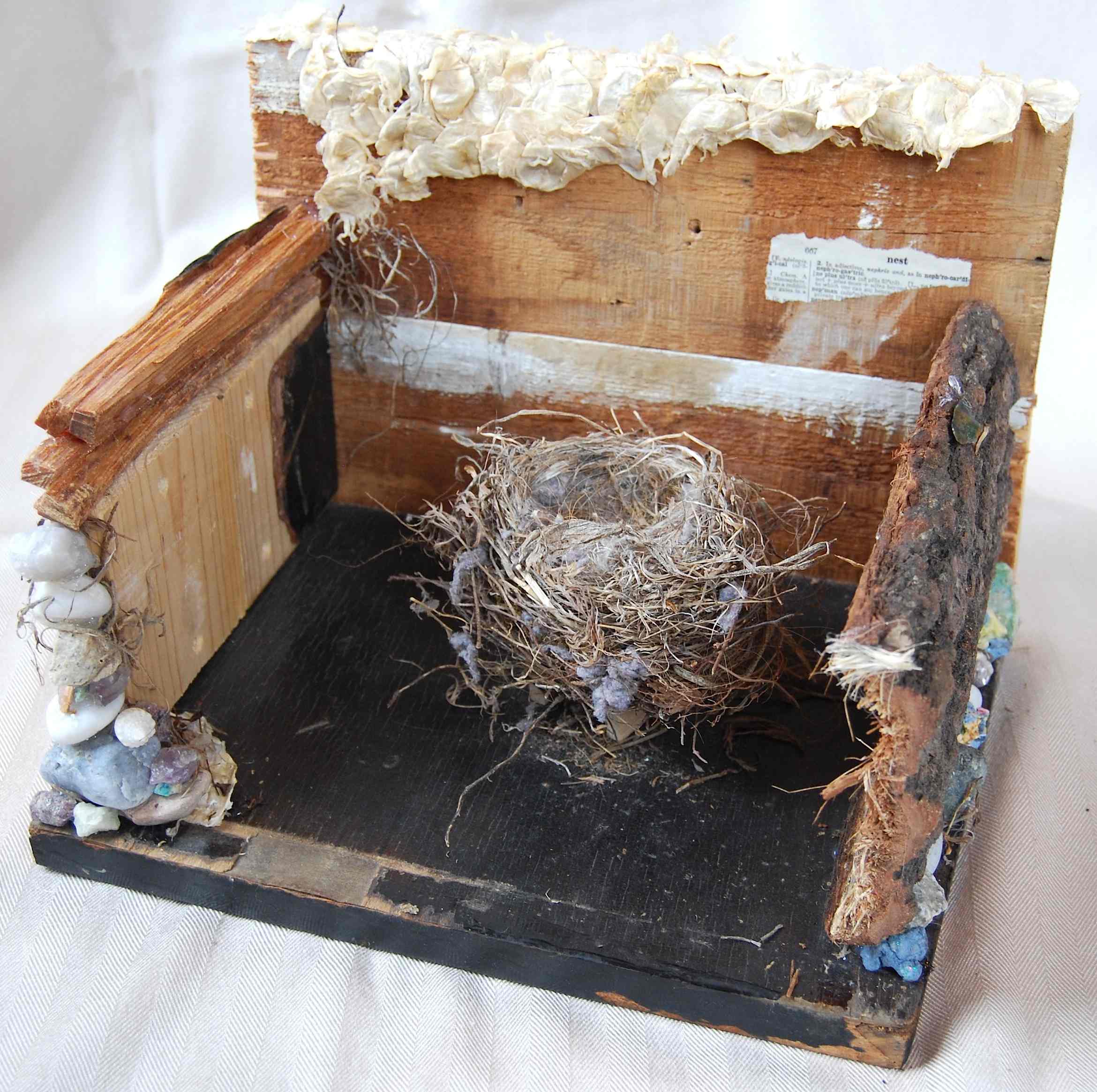
I made two projects for the theme. Actually, “re-made” would be more accurate, since both of these were originally created in my last house, but fell apart when we moved to our new house two years ago. The piece “Birdhouse” was entirely destroyed. So, now that I’m settled in my new nest, as it were, I was happy to come back to both of these projects. I put a different spin on “Birdhouse” this time around.

Birdhouse

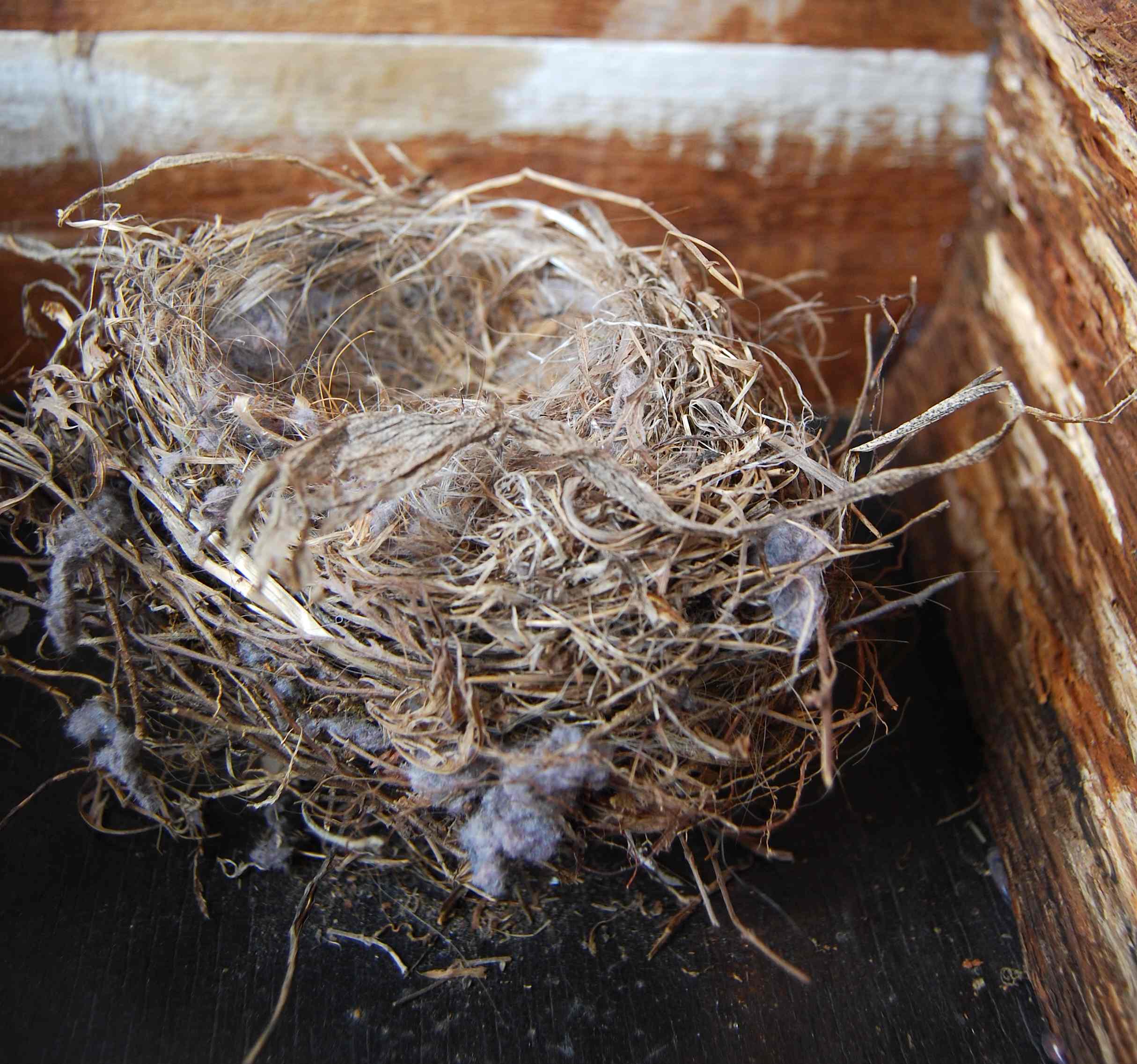
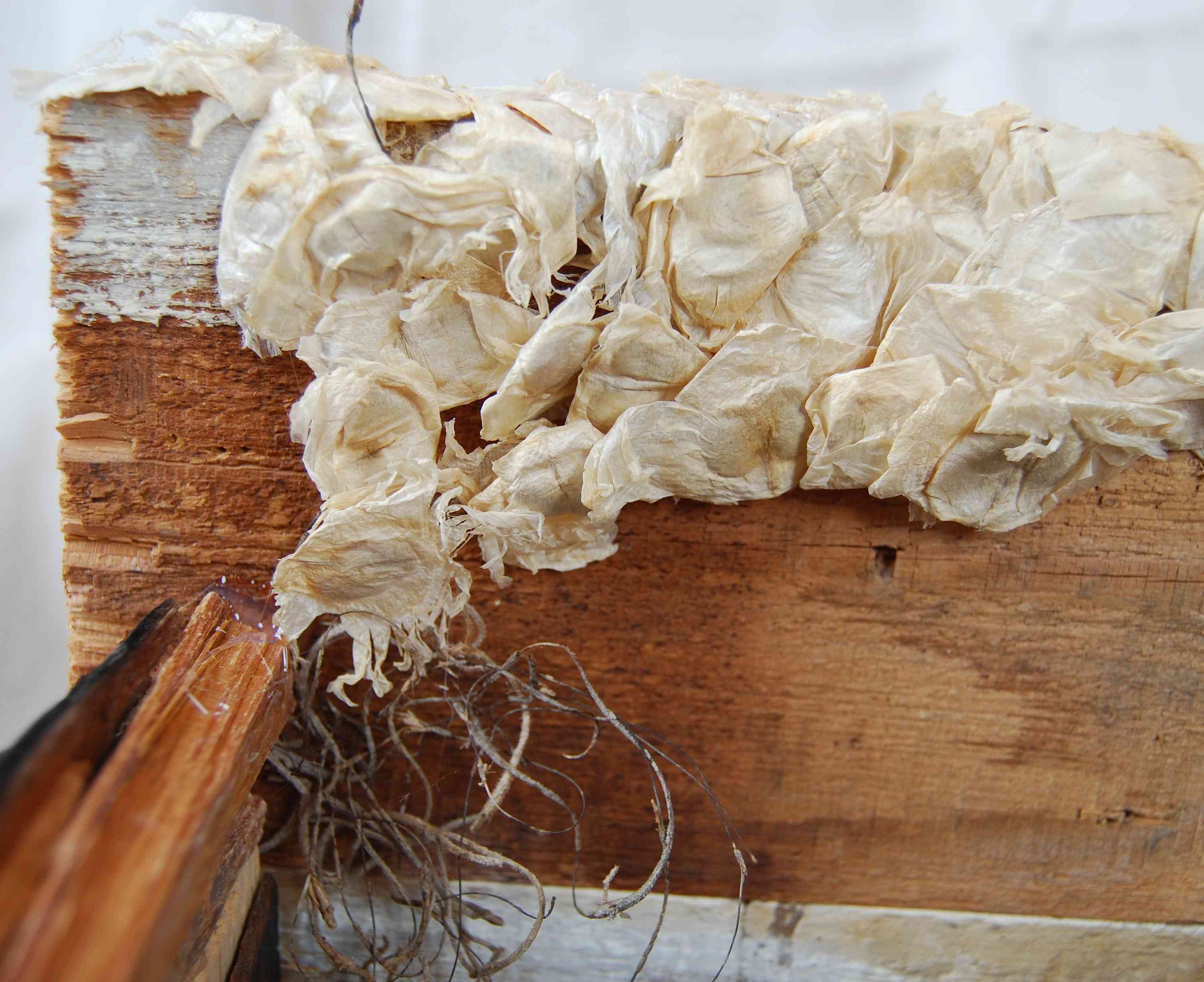
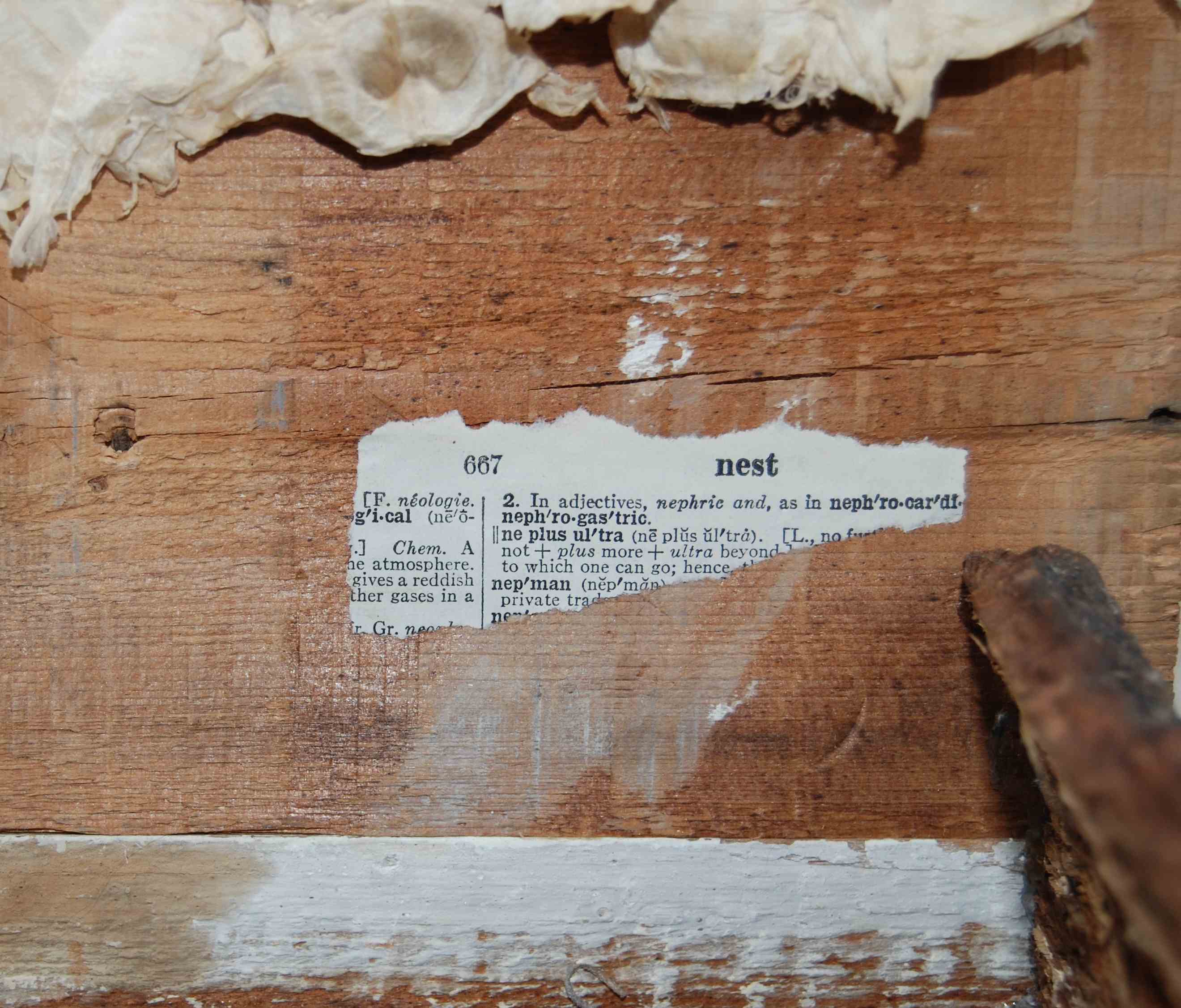
I extrapolated “nest” into birdhouse, seeing as a nest is, in most literal terms, a bird’s house. Like any nest you would find in nature, my birdhouse was constructed with things that I found around me. The nest itself is real, salvaged from a bush outside my office window after it was no longer needed. The base of the piece was cut from a section of the wood that used to belong to my childhood piano — a behemoth old painted upright that I had to ditch when the soundboard cracked. (Before it was hauled away, I removed a piece of the case and popped off all of the beleaguered ivory veneers.) So for me, this birdhouse, and the timing of its reconstruction, has many layers of meaning.

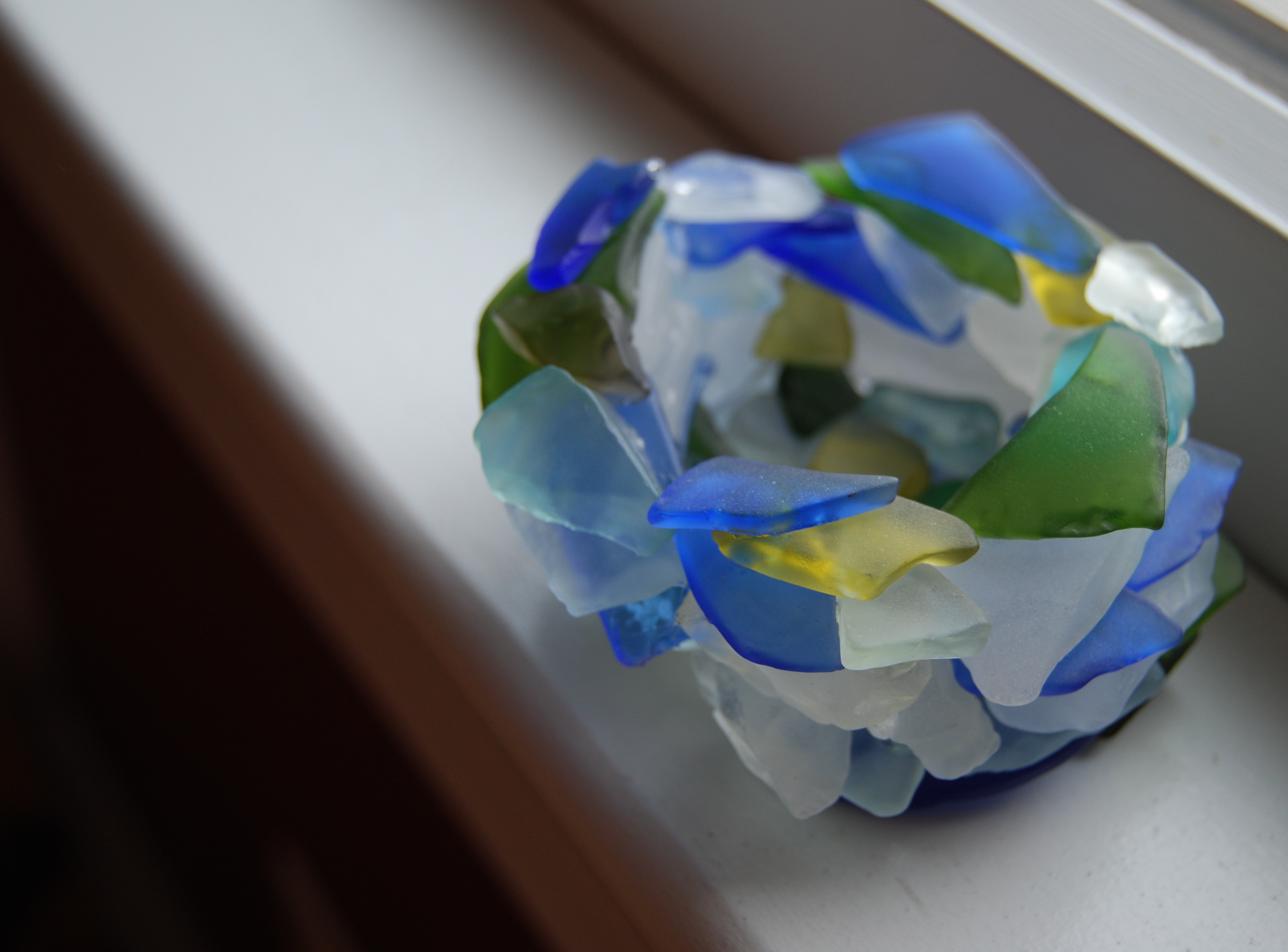
Seaglass Nest

This one speaks for itself. Well, maybe there’s room for a subtitle along the lines of “People in glass houses…..”


Thanks to Leah for the prompt. I wouldn’t have resuscitated these projects without it.

Miranda: Turning Japanese

It’s been hard to focus this week. I spend any spare moment rushing to my computer to read the latest updates on Japan, tuning to NPR news at the top of each hour, or watching BBC news on the TV. As the catastrophe unfurls, we get to sleep in warm beds, fill up on fresh food, and enjoy creature comforts like heat, electricity, kitchens at the ready, closets full of clothes, shelves full of books, albums full of photos….and put our arms around our loved ones, who are alive and well. It’s so difficult to make sense of these blessings when others have lost everything — and when we do not, in fact, even know the ultimate outcome of the nuclear disaster at the Fukushima Daiichi power plant and how the Japanese people may yet suffer on an even greater scale.

I am so consumed by this continually unravelling loss — and find myself perplexed by how many people around me don’t seem to be troubled by the scale of human suffering that is happening in Japan, or even how these issues may potentially affect those in the US. I do have relatives in Japan (they are reportedly safe, but evacuating), although I don’t think that that’s why I’m so riveted.

Horrible things happen all around the world every day, but this catastrophe is in many ways unprecedented. And it’s a story — a story that is still being told. How can one not be on pins and needles, if not consumed by empathy? It doesn’t seem like the time to go about business as usual. In the days following 9/11, everything ground to a halt. Media outlets gave continual coverage — even eliminating commercial breaks — for quite some time. Yes, 9/11 was an attack, not a natural disaster, but the loss of life in Japan has already far outweighed the loss of life on 9/11, and the number may yet skyrocket. Add to that the perilous nuclear situation, and we have a terrifying reality, regardless of the many what-if outcomes. Japan is on the other side of the world, but these are people. Beautiful people who live with a grace far beyond what most Americans can muster. They inspire me as my heart aches for their utter loss. What must it be like to have your own child ripped from your arms as a tsunami wave destroys everything that ever mattered?

But again, this difficulty in reconciling the blessings that some of us have against the apocalypse that others are navigating. How to live with what can border on a sense of survivor guilt? I posed this question to Robin Norgren earlier in the week, and she had an eloquent response. I share it here, with her permission:

It is INCREDIBLY DIFFICULT to reconcile the pleasure of one group of people against the pain of the other EXCEPT for me to deepen my sense of gratitude in my life. This year I felt like I needed to give more time at the local level which is the only step I can do with hubby still deployed and little one still at home, and I know we both share that constraint.

I think that your going through the certification is also a part of giving back: committing to the program and then helping others find their sense of gratitude through creativity. I find the the CREATIVE PEOPLE are the ones that tend to give back more because their hearts are more open to the world. Does that make sense?

Yes, Robin, it does. We do have a responsibility, all of us. Live life to the fullest — this precious, fragile existence that we seem to see as an obstacle more often than not. Go out and live. Hug your children. Paint that painting. Write that book. Give. Foster someone else in some small way. Look at the sky and smile to be alive. Celebrate life today, while sending thoughts and prayers and donations to those who so desperately need them.

Red Cross

Doctors Without Borders

Miranda: Putting it all together

In January I made a big decision. Something had been on my “maybe” list for over a year and I decided it was time to jump in with both feet.

I decided to become a certified creativity coach through the national Creativity Coaching Association (CCA). This means I’ll spend up to two years taking classes and coaching clients in order to earn my certification. My first class, with creativity guru Eric Maisel, began at the beginning of February. I’m already learning so much that I can hardly contain my excitement. I am now a CCA member, although I won’t be a certified coach until I complete the training program.

For me, becoming a certified creativity coach is the natural next step in what has long been my passion: understanding the ways in which we express our creativity and striving to help creative people (women, and mothers, most specifically) overcome obstacles, reach their creative goals, and live in alignment with their priorities. This work directly informs the nonfiction book I’ve been working on for the past three years: A Mother’s Guide to the Creative Life (a survival guide based on interviews with dozens of creative mothers). Receiving professional training helps me re-asses and refine the framework and strategies that I developed in my manuscript. And of course, certification will enable me to step up the informal coaching atmosphere of this blog — which is really an exciting prospect.

If you’re wondering what a creativity coach really is, here’s a blurb from the CCA website:

What is a Creativity Coach?

  • Creativity Coaches are similar to life coaches, but focus more specifically on your creative work.
  • Creativity Coaches help you to develop your artistic and humanistic talents.
  • Creativity Coaches have helped thousands of artists, writers, inventors, entrepreneurs and other creative souls to accomplish their dreams.

I feel so good about this decision — and the process itself — that I’m pretty much a grinning fool, even when nobody’s around to see me. Of course, one of the primary bonus by-products of coaching training is that I am learning how to address my own issues and perceived obstacles. By helping others, I help myself. And the more I help myself, the more able I become to help others. A pretty awesome self-perpetuating loop. While I naturally had concerns about how to fit one more thing onto my already overflowing plate, I know that this is an important step for me — one that merits prioritization. Like most “right” decisions, it’s working itself out organically. Even though I’ve been busy with classwork and coaching, I’ve also made time for my own creativity, with a renewed sense of presence and commitment. It’s happening.

Along the way, I’ll be needing volunteer “coachees,” in the same way that you can go to a hairstyling school and get a free haircut from one of the students. The student stylist gets to learn on a live person, and you get a free haircut — and hopefully leave the school’s salon without looking like a poodle, unless of course that was the look you were going for. So if anyone is interested in joining my pool of coachee clients, drop me a line at creativereality (at) live.com and let me know. I promise I’ll do my best to avoid bad perms.

The Feminine Mystique

Canadian painter Robert Genn has a twice-weekly newsletter that I always enjoy reading. While Genn writes about painting, his thoughts usually apply to any creative pursuit, including writing — and we’ve reposted his letters here before. Recently, Robert wrote a letter entitled. “The Feminine Mystique.” I found the letter quite timely, as I’d just dusted off my copy of Friedan’s classic and reminded myself that I needed to finish it (read all but the last 100 pages several years ago before getting pulled into something else). Genn’s newsletter is reprinted here by permission.

Many readers of my letters may not be old enough to remember Betty Friedan’s 1963 bombshell book, The Feminine Mystique. In those days, 78% of college faculty were men, as were 95% of physicians and 97% of lawyers. Only 30% of college graduates were women. Now, women outnumber men in higher education and are apparently nearing par in job placement and life achievement.

One of Friedan’s main points was that post-war, middle class women had to figure out what they were going to do after their little ones had flown the coop. With longer life expectancies, smaller families, relative economic freedom and a shopping cart full of labour-saving devices, millions of women apparently grabbed the brass ring of creativity. They found they were well suited to it. Based on this subscriber list, workshop attendance and popular statistics, 78% percent of living painters are women. And to the disgruntlement of some of the boys, we know that women in general tend to have better art-brains. Long-time readers may remember I’ve frequently identified women artists as the next big thing.

Going by my inbox, it’s possible to get the idea that women are in a bit of a bad patch. Many tell me they are “not motivated,” “lack passion,” and are “too distracted to be anything other than mediocre.” Perhaps an indication of our anxious times, in my darker moments I also wonder if these concerns are mainly from those who are reading too much self-help stuff. Like the sort of thing I put out.

But in my vast and virtual part-time mentoring practice, which I generally do for free, I also see highly optimistic, ambitious women who value education and are willing to put in time and treasure (when they have it) to achieve their goals. These women cut to the chase and, in my experience, get good. Here’s what they bring to their easels:

* The capability and the desire to work alone.
* A degree of independence from outside opinion.
* Steady, well-regulated, workmanlike habits.
* The understanding that passion comes from process.
* The curiosity to explore sets and series.
* An intuitive sense of quality and reasonable taste.
* A philosophical but nevertheless combative attitude to the miserably dying vestiges of the boy’s club.

Betty Friedan would have been particularly enthused by these ladies.

Best regards,

Robert

PS: “Who knows what women can become when they are finally free to become themselves.” (Betty Friedan)

Miranda: Eat your way out

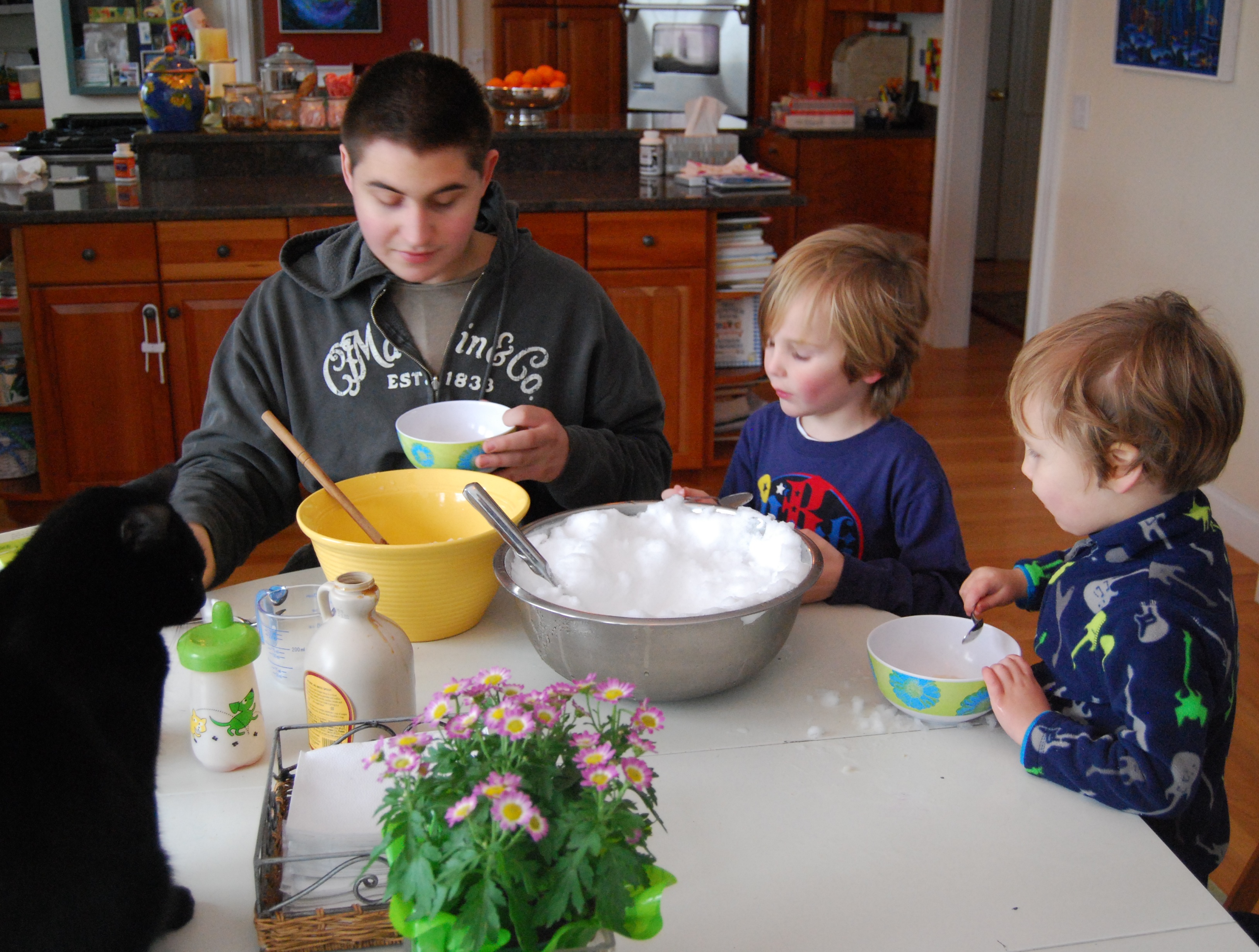
Many of us are hunkered down in the midst of Snowpocalypse ’11. In New England, we’re supposed to get MORE snow on Saturday and then MORE again on Tuesday. Uhm, yeah. Where to put it all? Well here’s an idea: eat it! Seriously, if you haven’t whipped up a batch of snow ice cream this season, there ain’t no time like the present. Kids love this kind of “cooking,” so you can get a little creative mileage out of it too. My oldest son prepared a batch with the little guys before going back to college last week. He started with a recipe from AllRecipes but made his own variation, which appears below.

And yes, there’s a cat on the table. That’s how it rolls at our house.

Ingredients

  • 1 gallon snow
  • 1 cup white sugar
  • 1 tablespoon vanilla extract
  • 2 tablespoons maple syrup
  • 2 cups milk

Directions
Gather up a bowl full of totally pristine freshly fallen snow. Eyeball a gallon’s worth. Bring it inside and stir in sugar, maple syrup, and vanilla to taste. You may prefer less or more of each ingredient, so start on the scant side and taste as you go. Then stir in just enough milk for a creamy consistency. Serve right away, assuming you can get your family to stop eating it straight out of the mixing bowl.

I’ll be heading out to rustle up tonight’s dessert momentarily.

Enjoy!

Miranda (and Brittany): If these walls could talk….

Last month the lovely Brittany Vandeputte and her husband Tom stopped in for a visit on their way from Salem, Massachusetts, back home to the vicinity of Albany, New York.

Before she left, Brittany wrote all over my wall. Not a display of bad manners, mind you — I asked her to do it. Some of you may remember my half-bath makeover that included a wall of blank “frames.” This wall is a pretty happening place, I have to say. Here, with her permission, is the poetry that Brittany left behind. (Click on the image for a larger view if needed. The frame that Brittany chose was tucked beside the wall cabinet, so I was unable to get a straight-on shot.)

Yeah. I thought you’d like that.


Art and Motherhood

Does blending art and motherhood = mission impossible? One recent response to this perennial question comes from Canadian painter Robert Genn, in his twice-weekly newsletter. While Genn writes about painting, his thoughts usually apply to any creative pursuit, including writing — and I have reposted his letters here before. Late this summer, Robert wrote a letter specific to making art as a mother. The letter garnered a TON of comments that are well-worth reading. Much inspiration and practical advice to be found. (Genn’s newsletter is reprinted here by permission. Thanks again, Bob.)

Yesterday, Cedar Lee of Ellicott City, MD, wrote, “I have a 10-month-old son. Before I had this child I never realized the level of freedom and time that I had. The demands are so all-consuming that they leave me with little if anything left to give to my work. I’m depressed about my career–at full speed a year ago, it’s now barely squeaking along. Do you have any advice for how to keep my creative flames burning, how to keep my professional image from slipping, and how to be productive during this time? What are the creative, financial, political, and practical dilemmas facing female artists with young children.”

Thanks, Cedar. Big order. Before I start in with my stuff about being more efficient, making time, getting help, etc., I need to ask you mothers to give me a hand with Cedar’s questions. Your best advice will be included in the next clickback. Live comments are welcome as well. FYI, we’ve put a short video of Cedar’s studio at the top of the current clickback.

Also, I want to mention the extreme expectations that current parents have for their children. Children have taken on a god-like role and have become the focus for everything from prepping for stellar futures to daily parental companionship. Parents sacrifice their own lives for the potential brilliance of kids. For better or for worse, raising kids well is the new religion.

Further, I wanted to say that letters like Cedar’s come in here like leaves from a shaken maple. I’m conscious that many artists, both male and female, use the advent of parenthood as a scapegoat for failing careers. Artists in this predicament need to examine their true motivation for this popular complaint.

It’s been my experience that dedicated artists will always find a way. I’m also happy to report that selfishness need not prevail, nor need the baby lie unchanged in its crib. The creative mind is always working, even during the application of nappies. Household workstations can be set up and work can continue between feedings and other downtimes. The intermittent business may actually benefit the art–for many of us, contemplation is a much needed ingredient to our progress.

Cedar, exhausted though you may be, there is always recourse to the DMWH (Daily Manic Working Hour). This can be programmed any time, perhaps early morning or late at night. When performed as regularly as baby-feeding, you might amaze yourself with how much you can get done when you focus hard for one lovely little hour.

Best regards,

Robert

PS: “You have no obligation other than to discover your real needs, to fulfill them, and to rejoice in doing so.” (Francois Rabelais)

Esoterica: There is an excellent book on the subject. The Divided Heart: Art and Motherhood by Rachel Power [reviewed at Studio Mothers]. It’s well researched with lots of references and historical evidence. An excerpt is here. There’s value in partnership. “To create art once you have children requires the commitment of more than one person,” she writes. “As novelist Eleanor Dark wrote, ‘The balance is elusive; the support crucial.’ “

To read the many responses to Robert’s letter, click here. Any pieces of advice that really stand out for you?

Miranda: Psst…”creativity” does not contain the letters S, H, O, U, L, or D

So I have this other blog about my newbie Buddhist practice. In a recent post I wrote about motherhood and creativity, so I wanted to share that post here as well. Please share your thoughts.

Last month I attended “Mothers’ Plunge” in Boston, a one-day retreat for mothers led by Karen Maezen Miller, author of Momma Zen and Hand Wash Cold (two invaluable books about showing up for motherhood in your entirety — relevant for any mother, no Buddhist label required).

As the retreat was drawing to a close, Karen made time for a short Q&A session. My arm shot up. Yes, I did have a burning question. I explained that I understand the concept of paying attention to that which requires attention, of focusing on the matter at hand rather than fretting about stuff that isn’t within arm’s reach. I get that. But with so many people in my life and responsibilities to tend to, I could easily just turn from one urgent matter to the other and fill nearly every waking moment of every day without ever finding/making time for my own stuff, like finishing one of my manuscripts. Do I need to just make peace with that? Do I need to stop clinging to this idea (ideal?) of “being” a writer — for now?

Karen suggested that — despite my protests — it really does get easier, and that at some point the opportunity to write would present itself. Have faith. Write in bits and pieces. Make hay when the sun shines, even if it doesn’t seem like it shines very often. (My cheesy phrasing, not hers.) Let go. Trust. Everything in its own time.

I wanted Karen to have the answer, and I suspected that she did, if I could surrender to it. But I felt enormous resistance bubble up inside me. No. I will never be able to do what I really want to do without making a painful sacrifice somewhere else. My oldest child is nearly 20, my youngest child is only 2, and while the demands of motherhood change over time, the totality of five children and a freelance career is often overwhelming. I don’t want to wait until I’m 60 before I can count on a little “me” time — time to breathe, time to be creative, just time.

During the drive home, I started mulling all of this over — and over. I’ve devoted much of my life to the topic of motherhood and creativity, trying to figure out how to be a mother and an artist without completely messing up one or the other or both. I’m writing a book on the subject, for which have interviewed dozens of creative mothers, extracting commonly successful strategies. I have a blog — this blog — devoted to the community of creative mothers. I know firsthand how the need to be creative coupled with the seemingly inescapable roadblocks of motherhood can lead a woman to tears in the frozen food aisle. I get it. Is the answer really just letting it all go and accepting that the time for creativity will come when it’s time for creativity?

Under the tension of my growing resistance, somewhere along Route 3 a long-held knot popped open, untangling itself into clarity. I realized that when I decided to practice meditation on a regular basis, I started getting up every morning at 5:30 instead of 5:50 to sit for 20 minutes. It wasn’t a big deal. It was important to me, and I wanted to do it, so I made it happen. Sure, there are some mornings when I’m just too tired to get up or my youngest child wakes up exceptionally early and my sitting time is abandoned. But in general, it works. Why then, during all my years of complaining about not having time to write, didn’t I get up 20 minutes earlier to eke out a paragraph or two? There may have been a few early morning or late night attempts over the years, but the strategy never seemed sustainable. Admittedly, a “set” schedule isn’t feasible when you have a newborn or during some other major transition, but my littlest guy has been sleeping fairly predictably for at least a year now.

I realized that I’d fallen into the trap of my own “story.” I write for a living, but writing and editing for hire isn’t enough. I want very much to complete my own personal writing projects. But. (To borrow a Karen-ism.) Do I really want that? Was writing something that I wanted to do so desperately during all those years, or something that I thought I should want to do? Perhaps spending time on my personal writing projects was something I rarely made a regular commitment to because it’s hard, and not always gratifying, and maybe there were a lot of other things — like cleaning the kitchen grout with a Q-Tip — that seemed more important at the time.

It’s hard to make time for shoulds. The shoulds weigh us down and transform everyday life into a bone-wearying Sisyphus impersonation. Meanwhile, the things that we really want to do? We usually do them. A bit of compromise might be required, but if you are totally keyed up to write a haiku today, chances are, you will find 10 minutes to scribble down the draft floating around in your head. Conversely, if you think you should write a haiku today, you might discover that item #37 on your to-do list is so important that there’s simply no way that you can get to the notepad to pen a few lines. Just 10 minutes? Not a chance.

Maybe I wrapped myself up in a coat of creative deprivation just so that I would have something to hide behind. Maybe it really was as uncomplicated as my husband’s response to my martyring complaints, which he offered with a shrug of the shoulders: “If you want to write, write.” This used to infuriate me, but now I see the truth there — as annoying as that is to admit. No, I am not able to run off for six hours of solitary writing time. But. Even 20 minutes of writing time yields 20 minutes’ worth of words that I wouldn’t have otherwise. I know this from personal experience; I have 200 viable pages in my nonfiction manuscript and nearly as many in my most recent novel. These words were amassed in fits and starts rather in predictable, extended writing stints. (Note to self: Try to avoid forgetting all the things that you worked so hard to figure out.)

On my drive home from the retreat, I couldn’t sort out how this construct of beleaguered, suffering writer-mother had sustained me, or why I had bought into it so hard, but I did know that many things I had accepted as inescapable truths were suddenly swathed in question marks. Time to start all over again, with beginner’s mind.

Miranda: Best of Both Worlds

What a creative week! I finally finished overhauling our playroom just in time to finish the first project in WishStudio’s online art playgroup with my 5-year-old son. It took us a few sessions spread over the week to finish our projects. Here’s a peek at a few steps along the way:

I was thrilled with my son’s finished card!

Isn’t is beautiful? I was less pleased with my own piece, which — despite working for at least an hour after my son had finished and skipped off to do something else — I couldn’t get quite right. After cutting out my son’s image for his own card, I was too intimidated to try to cut out the pair of little ones in my own photo, so I opted to retain the background image. But then the balloon color wasn’t right — wasn’t enough of a contrast — so I tried several different layers (poster paint, colored pencil, crayon, oil pastels, you name it!) before ending up with a murky eggplant color.

Even though the outcome isn’t exactly to my liking, it was a wonderful process. Thank you, Shona! I’m grateful for this opportunity to blend creativity and motherhood, rather than complaining about not doing justice to one or the other.

It’s already Thursday and we haven’t yet started on this week’s project. Time to get those smocks on again 🙂

Miranda: Out of the closet

If you’ve read this blog recently, you’re familiar with WishStudio’s 5-week online playgroup. (Studio Mothers had a giveaway for one spot, which went to Robin Norgren.) The playgroup started this past Monday, with Shona Cole as the instructor for the first week. My 5-year-old and I went shopping for a few supplies we needed and eagerly watched all of Shona’s instructional videos.

The first step was for me to gesso our project paper. But I decided that before I got to the gesso, I would transform our playroom into an art room. The playroom was disorganized and full of outgrown toys and loose game pieces — time for a total overhaul.

At the same time, my art closet was no longer the tidy, organized collection of art supplies that it was a year ago. I often found it too difficult to put things where they belonged and ultimately resorted to opening the door, tossing in whatever belonged in the closet, and quickly closing the door again before the object could fall out. Many of my key supplies were too difficult to get out (note the large plastic bin on the top shelf). In all, the closet turned out to be less than ideal for art supplies. Good for storing, perhaps, but not so good for using.

So, all of the toys came out of the playroom. Many of them went up into the attic for donation/yard sale; some of them went into the boys’ bedrooms. Then all of the art supplies in my art closet went into the playroom, now dubbed the art room. Board games went into the old art closet. I positioned an old table in front of a window in order to make use of natural light, as this room tends to be a little dark.

Here’s the old playroom, just as I started taking it apart (note that my camera tends to distort reality — it makes this room look larger than it actually is):

And here’s the new art room, after three days of hauling, sorting, and labeling. It’s all here, even though it looks like a mishmash:

My two little guys immediately helped themselves to art supplies and inaugurated the art table with fresh splotches of acrylic paint. And you can see that our dear Mimi made herself quite comfy on the table too.

This new room supports my new schedule, which is phasing in over the next few weeks. I’ll blog about that more as soon as I can swing it. I think I may have figured out how to work AND be a stay-at-home mom. As in, the best of both worlds. Stay tuned!

Now, I’d better get that paper gessoed so we can finish the first week’s art project before it’s time for the second one!